

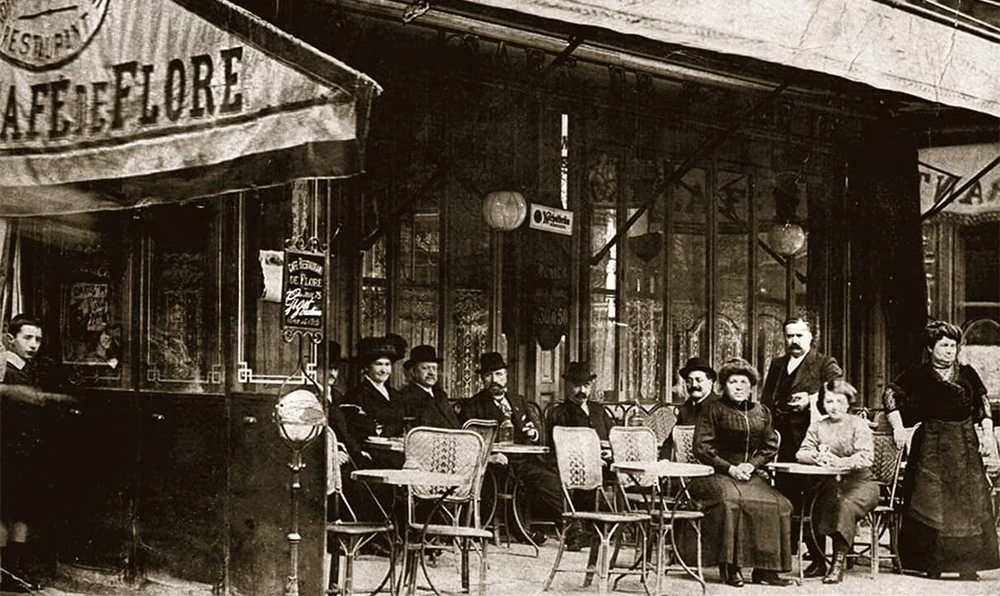
Café culture has a rich and fascinating history that spans centuries and continents. From the bustling coffeehouses of 17th-century Europe to the modern specialty cafés of today, coffeehouses have been hubs of social interaction, intellectual exchange, and cultural development. In this blog post, we’ll explore the history and evolution of café culture and its enduring impact on society.
The Origins of Coffeehouses
The story of café culture begins in the Middle East, where coffeehouses, known as qahveh khaneh, emerged in the 15th century in Persia (modern-day Iran) and the Ottoman Empire. These establishments quickly became popular gathering places for people to enjoy coffee, conversation, music, and games. Coffeehouses played a significant role in social and political life, serving as venues for discussion and debate.
The Spread of Coffeehouses to Europe
Coffeehouses spread to Europe in the 17th century, starting in Italy with the opening of the first European coffeehouse in Venice in 1645. The concept quickly gained popularity, and coffeehouses began to appear in major cities across Europe, including London, Paris, and Vienna. These establishments became known as “penny universities” because, for the price of a cup of coffee, patrons could engage in intellectual discussions and exchange ideas with scholars, writers, and politicians.
The Golden Age of Coffeehouses
The 18th century is often considered the golden age of coffeehouses. In London, coffeehouses became important centers of commerce and communication. Many coffeehouses developed into specialized venues for different professions and interests, such as Lloyd’s Coffee House, which became a meeting place for merchants and shipowners and eventually evolved into the famous Lloyd’s of London insurance market.
In Paris, coffeehouses like Café Procope became famous as meeting places for Enlightenment thinkers such as Voltaire, Rousseau, and Diderot. These establishments fostered an environment of free thought and exchange, contributing to the intellectual and cultural development of the period.
The Decline and Resurgence of Café Culture
The 19th century saw a decline in the popularity of coffeehouses in Europe, as they faced competition from other social venues such as pubs and private clubs. However, the 20th century brought a resurgence of café culture, particularly in cities like Paris and Vienna, where coffeehouses became iconic symbols of cultural life.
In the mid-20th century, the rise of espresso culture in Italy led to the proliferation of espresso bars, which spread to other parts of the world. These establishments focused on serving high-quality coffee quickly and efficiently, emphasizing the art of espresso-making.
The Modern Café Movement
The late 20th and early 21st centuries have seen the emergence of the modern café movement, characterized by a focus on specialty coffee, artisanal brewing methods, and a commitment to quality and sustainability. Specialty cafés prioritize direct trade relationships with coffee farmers, ensuring fair prices and high-quality beans.
The rise of third-wave coffee culture has transformed the café experience, emphasizing the craftsmanship and artistry involved in coffee preparation. Modern cafés often feature minimalist design, cozy atmospheres, and a strong sense of community, making them popular destinations for work, socializing, and relaxation.
The Role of Cafés in Contemporary Society
Today, cafés continue to play a vital role in contemporary society. They serve as important social spaces where people can connect, collaborate, and unwind. The digital age has also influenced café culture, with many establishments offering free Wi-Fi and comfortable workspaces for remote workers and freelancers.
Cafés are also at the forefront of social and environmental initiatives, with many businesses adopting sustainable practices, such as using eco-friendly packaging, reducing waste, and supporting local communities.
Conclusion
The history and evolution of café culture reflect the enduring appeal of coffeehouses as spaces for social interaction, intellectual exchange, and cultural development. From their origins in the Middle East to their modern incarnations, cafés have continually adapted to changing times and tastes while remaining beloved institutions in cities and towns around the world.
At Florence Café, we celebrate this rich tradition by offering a welcoming space where our community can come together to enjoy exceptional coffee, delicious food, and meaningful connections. We invite you to join us and be a part of this enduring and vibrant culture.
